
Call us now :07971189468
 Send Inquiry
 Send Inquiry
Polyester Resins
MOQ : 35 Kilograms
Polyester Resins Specification
- Type
- Other
- CAS No
- 113669-95-7
- EINECS No
- 248-665-3
- Grade
- Industrial Grade
- Purity(%)
- 99
- Application
- Plastic resins are the formable matrix within the composite
- Color
- Pale Yellow
- Form
- Liquid
- Tensile Strength
- High
- Viscosity
- 450-650 mPas
- Stability
- Stable under recommended storage conditions
- Odor
- Mild
- Molecular Weight
- Varies
- Flash Point
- 31C
- Solubility
- Insoluble in Water
- Storage Condition
- Cool and Dry Place
- Shelf Life
- 12 Months
- Density
- 1.2 g/cm3
Polyester Resins Trade Information
- Minimum Order Quantity
- 35 Kilograms
- Payment Terms
- Letter of Credit (L/C), Letter of Credit at Sight (Sight L/C), Telegraphic Transfer (T/T), Cheque
- Supply Ability
- 100 Kilograms Per Day
- Delivery Time
- 1 Days
- Main Domestic Market
- South India
Polyester Resins About
Synthetic resins
Synthetic resins are materials with similar properties to natural resins viscous liquids capable of hardening. They are typically manufactured by esterification or soaping of organic compounds. The classic variety is epoxy resin, manufactured through polymerization-polyaddition or polycondensation reactions, and used as a thermoset polymer for adhesives and composites.
Superior Matrix for Composite Applications
Engineered for use as the formable matrix in composites, our polyester resins deliver high mechanical strength and reliable processing behavior. Their robust polymer structure ensures superior reinforcement in fiberglass, automotive, and construction applications. Thanks to their high purity and stability, the resins integrate seamlessly with other materials, enhancing overall durability and performance.
Safe Storage and Longevity
Polyester resins must be stored in a cool, dry place to maintain their 12-month shelf life and avoid premature degradation. The liquid form allows for flexible handling and formulation, while the mild odor and stable properties make working conditions safer for operators. Adhering to recommended storage conditions guarantees consistent quality from the first to the last drop.
Industrial-Grade Quality for Demanding Uses
Manufactured to meet industrial demands, these resins comply with stringent purity and performance standards. Each batch is quality-checked with reference to CAS No. 113669-95-7 and EINECS No. 248-665-3, providing confidence for manufacturers and suppliers in India. Their high tensile strength supports usage in products requiring exceptional durability.
FAQ's of Polyester Resins:
Q: How should polyester resins be stored to maximize shelf life?
A: Polyester resins should be kept in a cool, dry place away from direct sunlight and sources of heat. Maintaining these storage conditions ensures a stable shelf life of up to 12 months and prevents changes in viscosity or premature curing.Q: What are the main applications for these industrial-grade polyester resins?
A: These resins are chiefly used as the formable matrix within composite materials. Common applications include fiberglass lamination, automotive components, construction panels, and other high-strength industrial products where robust mechanical performance is required.Q: When can I expect changes in the quality of polyester resins?
A: If stored improperly-such as at elevated temperatures or in humid environments-polyester resins may undergo changes in viscosity or begin to degrade before the end of their 12-month shelf life. Always follow the recommended storage guidelines to maintain quality.Q: Where are these polyester resins manufactured and supplied?
A: Our polyester resins are produced and supplied in India, adhering to industrial standards for quality and consistency. Manufacturers and suppliers across the region trust our product for demanding composite applications.Q: What benefits do these polyester resins provide in composite manufacturing?
A: By serving as a high-strength matrix, these polyester resins improve the durability, rigidity, and longevity of composite materials. Their stable formulation and high purity result in fewer processing issues and superior end-product performance.Q: How is the polyester resin processed during composite fabrication?
A: Polyester resin is usually mixed with curing agents and reinforcement materials (such as fiberglass) and then allowed to cure into the desired shape. The controlled viscosity ensures ease of mixing, good fiber wet-out, and optimal matrix distribution throughout the composite.
Tell us about your requirement

Price:
Quantity
Select Unit
- 50
- 100
- 200
- 250
- 500
- 1000+
Additional detail
Mobile number
Email

More Products in Polyester Resins Category
Corrugated Sheet Resin
Price Range 110.00 - 150.00 INR / Kilograms
Minimum Order Quantity : 35 Kilograms
Application : For Industrial
Color : Clear
Grade : Industrial Grade
Type : Other
Filament Winding Resin
Price Range 115.00 - 155.00 INR / Kilograms
Minimum Order Quantity : 35 Kilograms
Application : For Industrial
Color : Light Yellow
Grade : Industrial Grade
Type : Other

Automotive Fire Retardant Resin
Price Range 101.00 - 149.00 INR / Kilograms
Minimum Order Quantity : 35 Kilograms
Application : For Industrial
Color : Off White
Grade : Industrial Grade
Type : Other
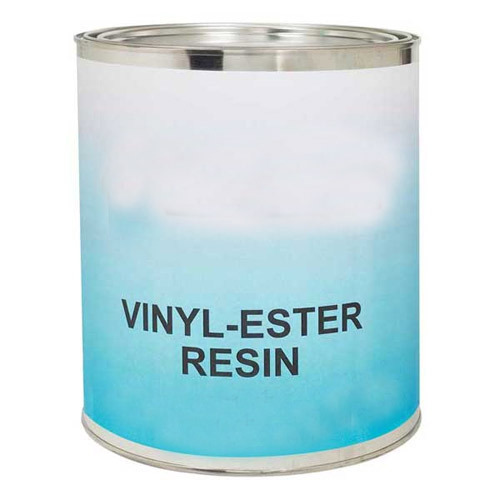
Vinyl Ester Resins
Minimum Order Quantity : 35 Kilograms, ,
Application : For Industrial
Color : Yellow
Grade : Industrial Grade
Type : Other

"We mainly deals in Karnataka, Tamil Nadu, Kerala, Telangana, Andhra Pradesh, Pundicherry, Goa only."
Corporate Office
NO.233, Rahul Building,
HBCS 4th Stage, Rajajinagar Industrial Town,
6th Cross, Rajajinagar

 Send Inquiry
Our Products


No: 233, 'Rahul' Building, 6th Cross, HBSC 4th Stage, Rajaji Nagar Industrial Town,Bengaluru - 560044, Karnataka, India

Mr Ganesh
(Manager)
Mobile :07971189468
 Send Inquiry
 Send SMS
Developed and Managed by Infocom Network Private Limited.


